It was World Cup season, and as always, half the world was busy betting on the winners. Which raises the real question: how do you beat the odds, and who's actually best at it?
Humans are the default. We watch, we argue, we back our favourites ... but confidence and accuracy aren't the same thing.
Now take LLMs, our loyal companions and decision making assistants. They're trained on a huge slice of world knowledge, so it's fair to wonder whether some genuine football understanding got swept up in there too. Can a model turn all that world knowledge into an informed prediction?
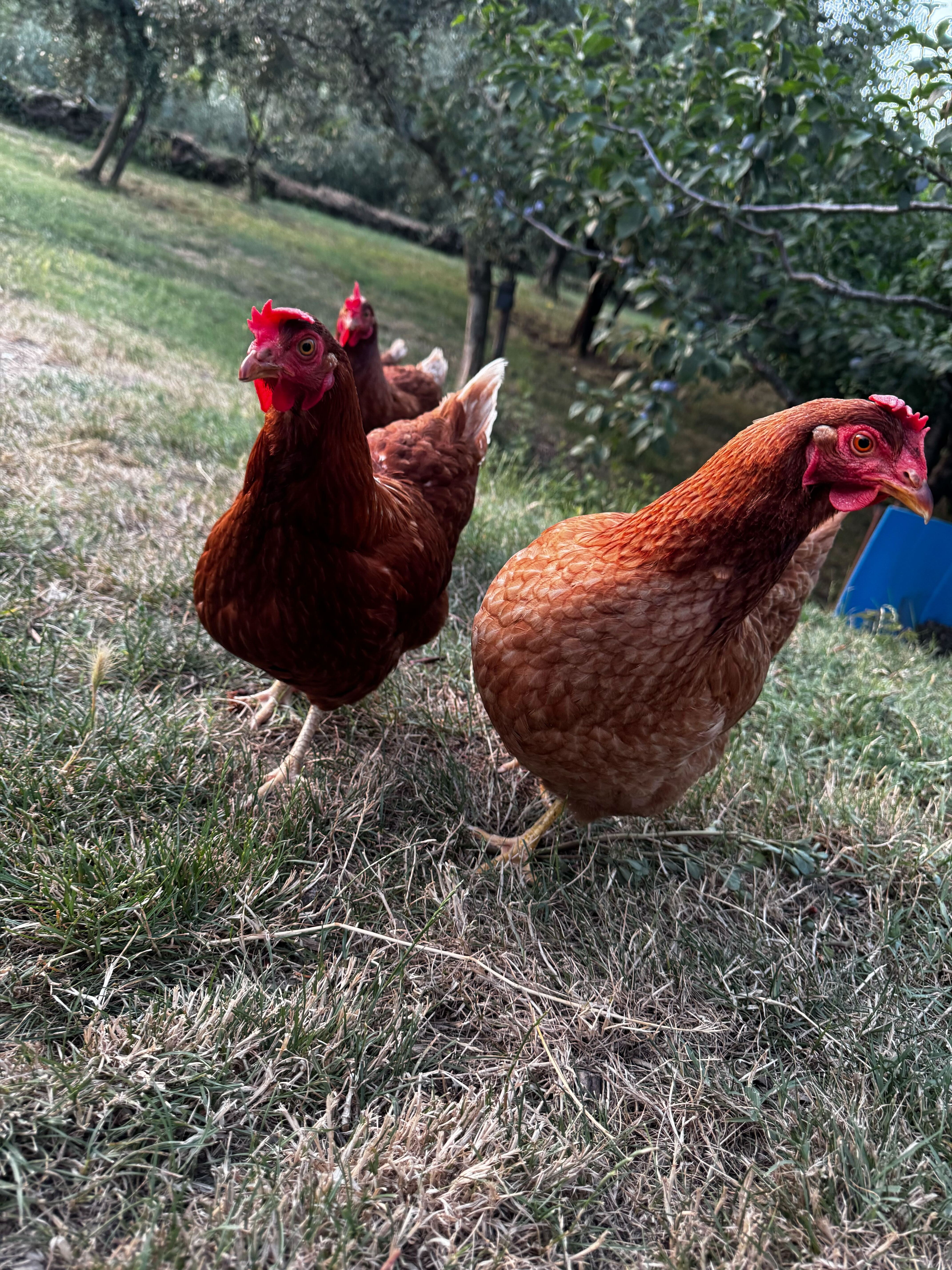
Then there's the wilder question. Remember 2010, when Paul the Octopus went eight-for-eight predicting World Cup matches? Do animals know more than we give them credit for? There was only one way to find out, so we included a few pets in the experiment as well.
We built a small prediction tournament. Humans brought their opinions. Large language models brought their training data. Pets brought pure instinct. May the best predictor win.
First, the fine print. The section below is collapsed, but it is worth opening: it covers the prompt every model received and the protocol we followed with the pets.